How Screen Time Is Ruining Your Sleep
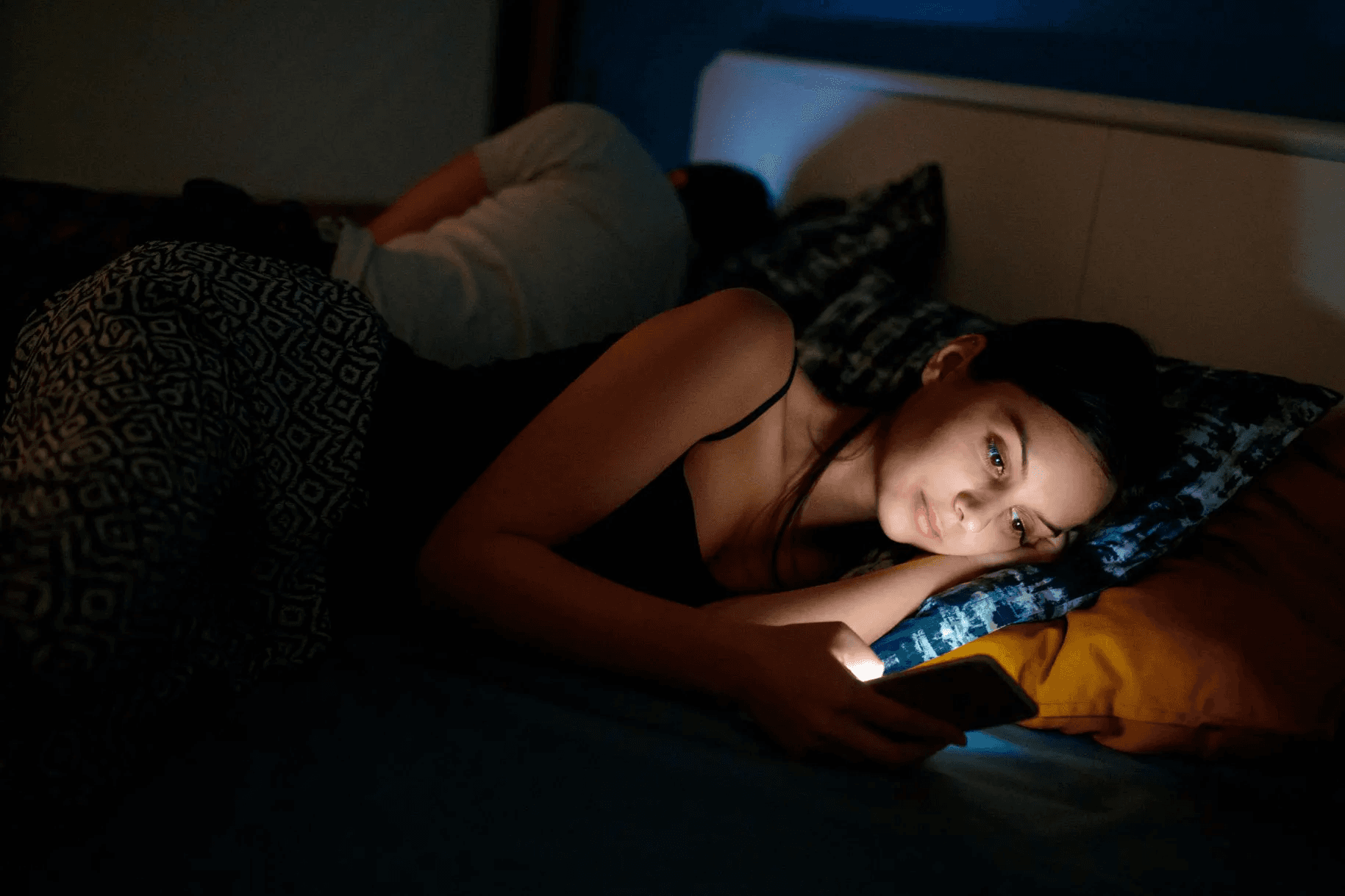
Sleep problems are often blamed on stress, busy schedules, or "just being a night owl." But for many people, the real disruptor is much closer - and much brighter.
Phones and screens don't just steal time from sleep. They interfere with the biological and neurological systems that make sleep possible in the first place. Understanding how this happens is essential before trying to change nighttime habits.
How Screen Use Disrupts Sleep
1. Screens Confuse Your Internal Clock
Your body relies on light cues to regulate sleep. As evening arrives and light levels drop, your brain releases melatonin - the hormone that signals it's time to wind down.
Phone screens emit high levels of blue light, which:
- Suppresses melatonin production
- Delays the body's sense of night
- Pushes sleepiness later than intended
Even short exposure in the evening can shift your circadian rhythm, making it harder to fall asleep at a consistent time.
2. Mental Stimulation Keeps the Brain Alert
Sleep requires a gradual reduction in stimulation. Phones do the opposite.
- Social media triggers emotional responses
- News and messages activate vigilance and stress systems
- Infinite scrolling removes natural stopping points
What feels like "relaxing" is often cognitive activation. The brain stays in a problem-solving, reward-seeking state when it should be disengaging.
3. Nighttime Checking Fragments Sleep
Even if you fall asleep easily, phones continue to interfere throughout the night.
- Notifications cause micro-awakenings
- Screen light disrupts sleep depth
- Brief checks can escalate into full wakefulness
These interruptions often go unnoticed, but they reduce sleep quality and leave you feeling unrefreshed in the morning.
4. Sleep Gets Shorter Without You Realising
Many people don't struggle with insomnia - they struggle with bedtime delay.
The pattern is familiar:
- Intention to sleep at a certain time
- A few minutes of scrolling
- An hour disappears
Over time, this leads to chronic sleep deprivation, affecting mood, focus, emotional regulation, and long-term health.
5. Why Phones Are Hardest to Put Down at Night
Nighttime phone use often intensifies because:
- Willpower is depleted by evening
- Phones provide emotional relief and distraction
- There are fewer external constraints
For some people - especially those with anxiety, ADHD, or irregular schedules - nighttime scrolling becomes a coping mechanism rather than a habit.
How to Wind Down in a Way That Supports Sleep
Understanding the harm makes one thing clear: sleep doesn't fail suddenly at bedtime. It unravels gradually during the evening.
Wind-down is about lowering stimulation intentionally, not enforcing rigid rules.
1. Create a Clear End-of-Day Boundary
Instead of relying on a strict bedtime, anchor the evening around a final stimulation point.
Examples:
- After brushing teeth
- After a shower
- After writing tomorrow's to-do list
Once this cue happens, avoid open-ended content. This gives the brain a predictable signal that the day is closing.
2. Reduce Environmental Light
Light exposure matters as much as screen time.
- Use warm, low lamps in the evening
- Turn off overhead lighting
- Reduce contrast between screens and surroundings
Dimming the environment helps the nervous system shift toward rest.
3. Replace Scrolling With Low-Stimulation Activities
Effective wind-down activities share three traits:
- Predictable
- Repetitive
- Emotionally neutral
Helpful options include:
- Reading physical books
- Light stretching
- Simple journaling or note-taking
- Tidying small spaces
- Listening to familiar, calming audio
If an activity pulls you in or sparks strong emotion, it's likely too stimulating for late evening.
4. Introduce Pauses Instead of Prohibitions
Strict rules often backfire at night. Pauses are more effective.
Before opening an app, briefly reflect:
- What am I looking for right now?
- Is this helping me rest or avoid sleep?
Even a short pause can interrupt automatic behaviour and reduce compulsive use.
5. Protect the Bed-Sleep Association
The brain learns through repetition.
When phones are used in bed:
- The bed becomes associated with stimulation
- Falling asleep takes longer
- Sleep becomes lighter and more fragmented
Keeping the bed primarily for rest strengthens the brain's sleep cue over time.
A Simple Evening Wind-Down Structure
A consistent pattern matters more than perfection.
- 30 minutes before bed: dim lights, reduce stimulation
- 20 minutes: calm, low-dopamine activity
- 10 minutes: hygiene routine, no screens
- Bedtime: sleep only
Sleep doesn't fail because people lack discipline.
It fails because modern habits override ancient biological signals.
Rest begins long before your head hits the pillow - and it starts with understanding how the evening shapes the night.